Injury, Agency, and the Struggle for Housing in South Africa
Michael Braun
16 September 2026
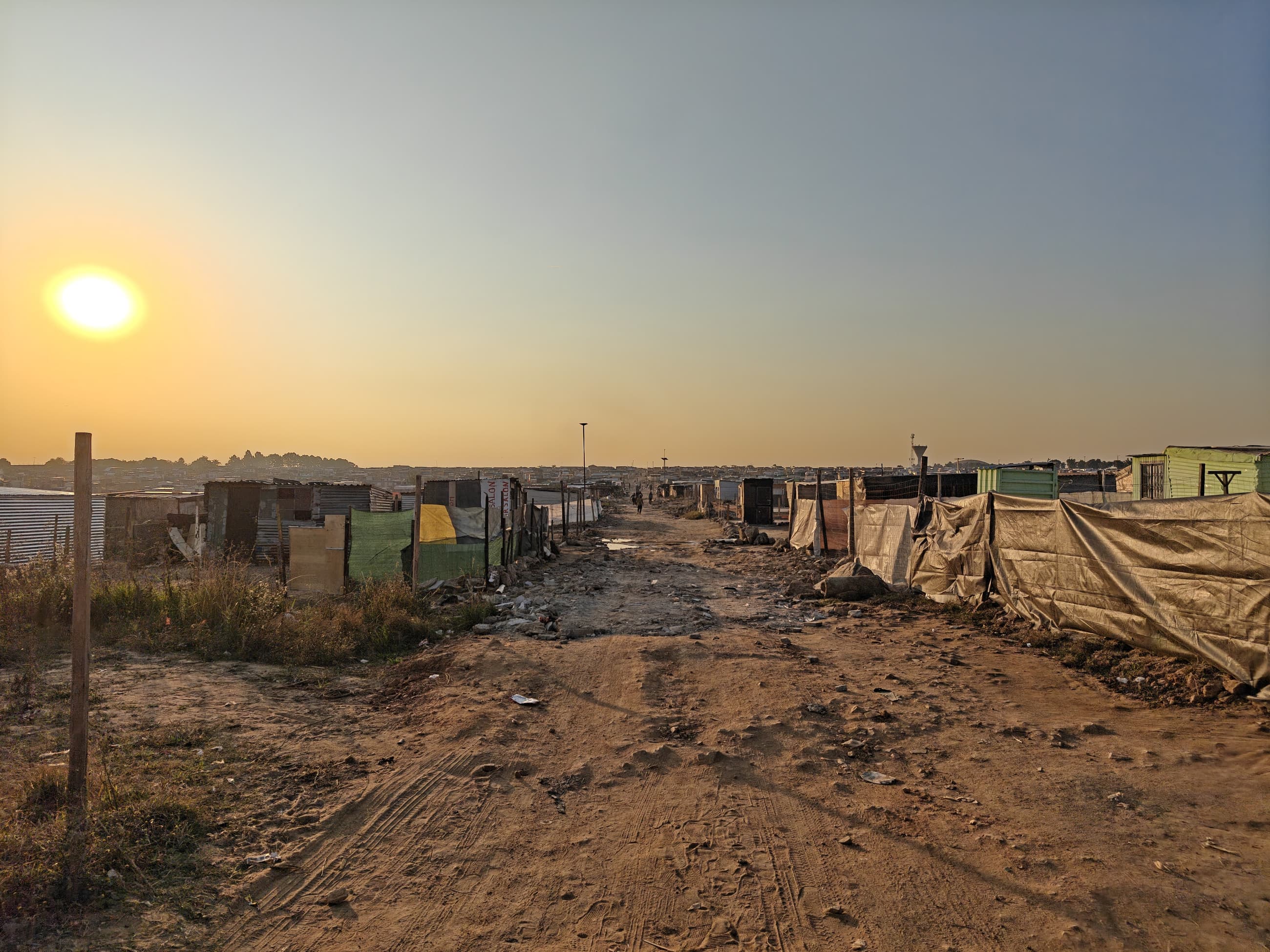
In South Africa, injury cannot be understood solely as a matter of individual harm or isolated acts of violence. It is shaped by longer histories of dispossession, spatial inequality, and the unfinished project of socio-economic transformation after apartheid.
My research examines how inadequate housing, insecure land tenure, eviction threats, and unequal access to basic services create conditions of both immediate and ongoing injury for residents of informal settlements and townships. At the same time, I explore how people exercise agency within these circumstances, engaging with legal institutions, political actors, social movements, and community organisations to assert housing rights and improve their living conditions. By tracing these interactions across local, national, and constitutional scales, the project investigates injury not only as a condition of vulnerability, but also as a site of political struggle, resistance, and claims-making.
This research has involved engagement with a range of community organisations operating within South Africa's informal settlements, including the Thembelihle Crisis Committee, Abahlali baseMjondolo, and Abahlali baseFreedom Park. These movements emerged from struggles over housing, land, service delivery, and political recognition, but they are also rooted in shared experiences of injury. Such injury is not limited to physical hardship; it encompasses the cumulative effects of eviction threats, exclusion from urban citizenship, state neglect, political violence, and the everyday indignities associated with life on the urban margins. The histories and aspirations of these communities are often reflected in their names. Thembelihle, meaning "good hope", evokes aspirations for a more secure and dignified future, while eNkanini, often translated as "taken by force", reflects histories of land occupation and the determination of residents to claim a place in the city.
Rather than producing passivity, these experiences frequently become the basis for collective action, political identity, and claims-making. In this sense, injury becomes not only a condition to be endured, but a resource through which communities organise and articulate demands for change. Increasingly, organisations have sought to connect these localised experiences across communities and municipalities. Initiatives such as the Gauteng Housing Crisis Committee have attempted to build solidarity between disparate settlement struggles, while Voices Against Evictions, formed in response to proposed amendments to the 1998 Prevention of Illegal Eviction from and Unlawful Occupation of Land Act, has brought together community organisations, activists, academics, and legal practitioners concerned with the erosion of constitutional housing protections.
Constitutional Rights and Housing Justice
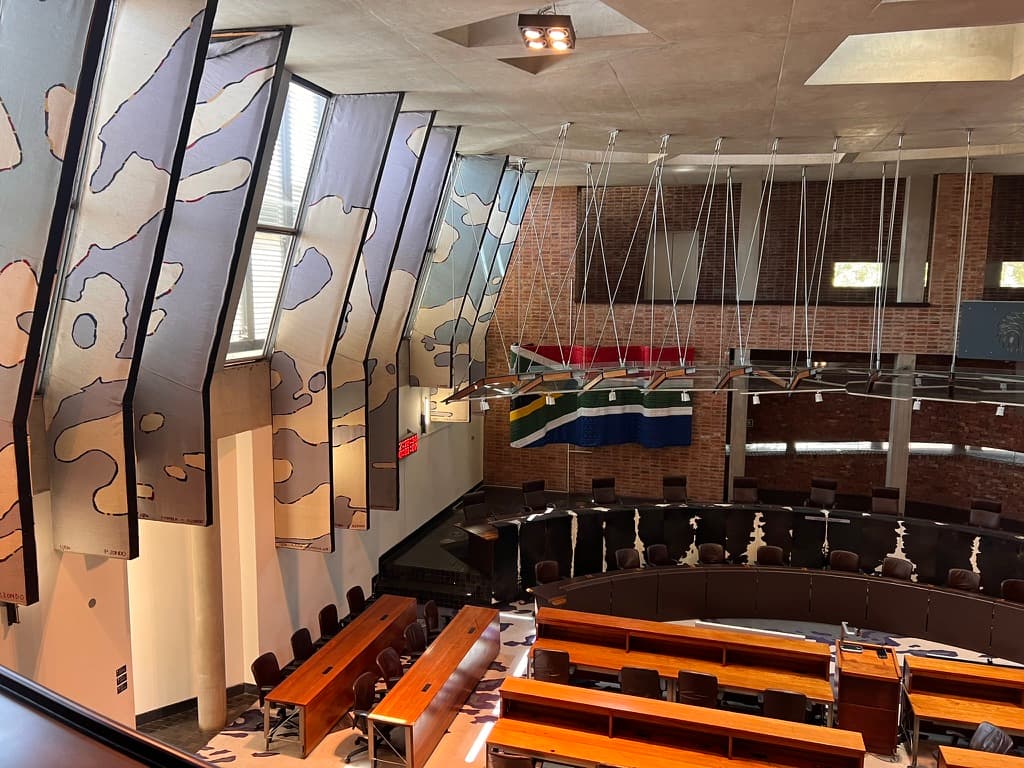
As South Africa's apex court and guardian of the country's transformative Constitution, the Constitutional Court has played a central role in shaping housing rights in the democratic era. Judgments such as Grootboom (2000), Port Elizabeth Municipality (2004), Olivia Road (2008), and Blue Moonlight (2011) have opened important legal spaces through which informal settlement residents can contest eviction, secure recognition, and advance claims to urban citizenship. At the same time, these decisions have not produced a straightforward path towards the constitutional assertion that ‘everyone has the right to have access to adequate housing’ contained in Section 26(1). Instead, they have created new opportunities for struggle, negotiation, and accountability within a context where housing shortages, inequality, and exclusion remain deeply entrenched.
Making use of these opportunities has required far more than court judgments alone. It has depended on a broader human rights law infrastructure that enables vulnerable communities to access and mobilise the law. Public interest organisations such as the Socio-Economic Rights Institute (SERI), the Legal Resources Centre (LRC), Lawyers for Human Rights (LHR), and the Centre for Applied Legal Studies (CALS) have played a crucial role in translating constitutional rights into practical protections through strategic litigation, eviction defence, legal education, and community advocacy.
The Proposed PIE Act Amendment Bill
Enacted in 1998 to give effect to the constitutional protection against arbitrary eviction, the Prevention of Illegal Eviction from and Unlawful Occupation of Land Act (PIE) has been a central safeguard for occupiers and informal settlement residents facing displacement.
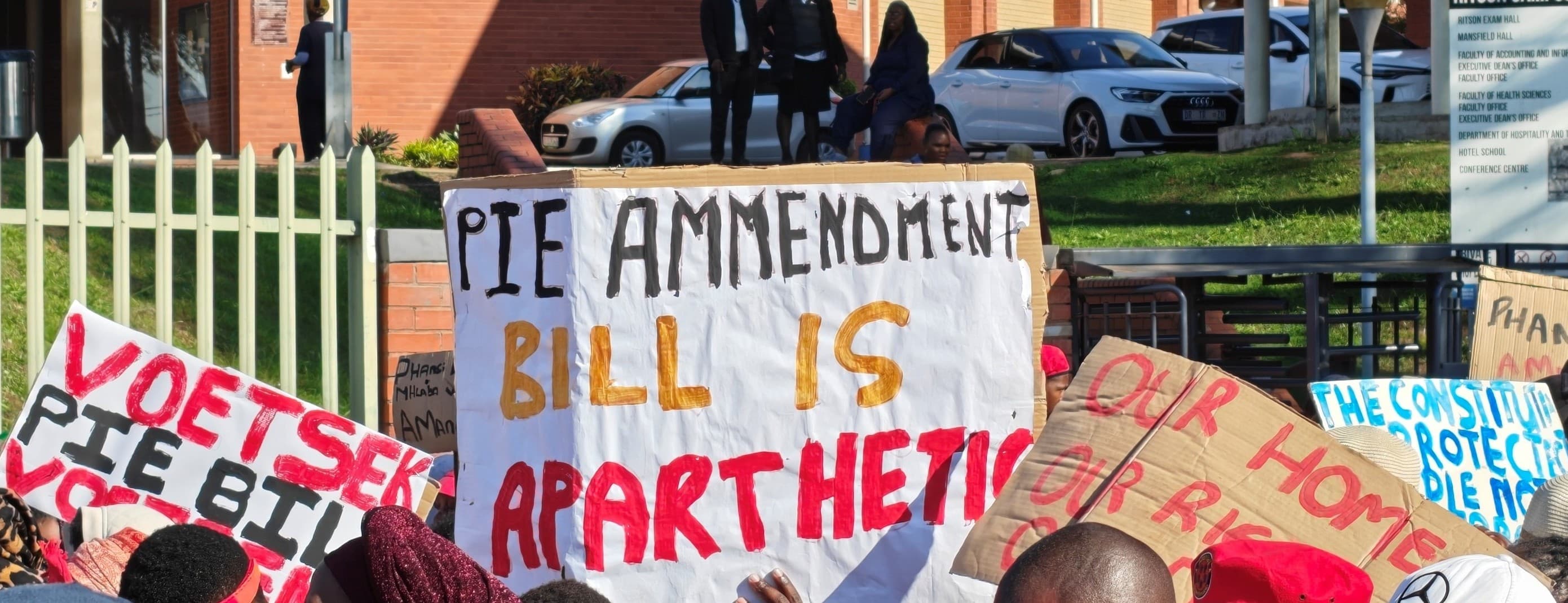
The proposed 2026 amendments signal a significant shift towards property protection and deterrence. Among other changes, the Bill would make it easier to obtain urgent eviction orders, allow greater judicial discretion to order evictions without alternative accommodation in certain circumstances, and place increased emphasis on the intentions and conduct of occupiers.
Civil society organisations and housing activists have expressed concern that these provisions may narrow the spaces through which communities organise, negotiate, and assert housing claims. Critics argue that the proposed amendments represent a significant shift away from the rights-based approach that has shaped South African eviction law since the adoption of the PIE Act in 1998.
These concerns have also been echoed internationally. In August 2026, the UN Special Rapporteur on the right to adequate housing and the UN Special Rapporteur on extreme poverty and human rights warned that the proposed amendments risk undermining protections against homelessness while reintroducing punitive approaches to occupation that could criminalise forms of solidarity and collective organisation central to housing struggles.
The concerns surrounding the proposed PIE Amendment also serve as a reminder of what collective action has already achieved. Many of the rights and protections that residents of informal settlements rely upon today did not emerge from state benevolence, but from decades of mobilisation, litigation, and grassroots organising.
A particularly important example was the successful constitutional challenge to the KwaZulu-Natal Elimination and Prevention of Re-emergence of Slums Act. Brought by Abahlali baseMjondolo, with the support of the Centre for Applied Legal Studies (CALS), the case resulted in the Constitutional Court striking down key provisions of the legislation in 2009. The judgment affirmed that residents of informal settlements are not merely subjects of urban management, but constitutional rights-bearers capable of shaping the legal frameworks governing land, housing, and urban development.
Seen in this light, current debates around the PIE Amendment are not simply debates about eviction law. They concern the future of the political and legal spaces through which communities organise, advocate, and contest decisions that affect their lives.
Reflecting on the delivery of houses at Kennedy Road in Durban, two decades after the movement first emerged there in 2005, Abahlali baseMjondolo president S'bu Zikode remarked:
"We have deep scars from fighting for those houses."
The houses represent a tangible achievement, secured through years of organising, advocacy, negotiation, and struggle. But the scars point to something equally important: the injuries, sacrifices, setbacks, and conflicts through which that achievement was secured. The quote serves as a reminder that many of the gains now associated with South Africa's constitutional democracy were not simply granted from above but were won through sustained collective action from below.
This captures a central question running through the Mapping Injury project: how are experiences of injury transformed into political action? How do communities facing exclusion and precarity find ways not only to endure, but to organise, mobilise, and reshape the conditions under which they live?
These questions were brought into sharper focus during a recent visit by our project's Principal Investigator, Professor Vivienne Jabri, and curator Cécile Bourne-Farrell. Over several days, we moved between very different sites and conversations. Throughout our trip we met with a wide range of young South African artists whose work engages themes of displacement, memory, inequality, and political struggle.
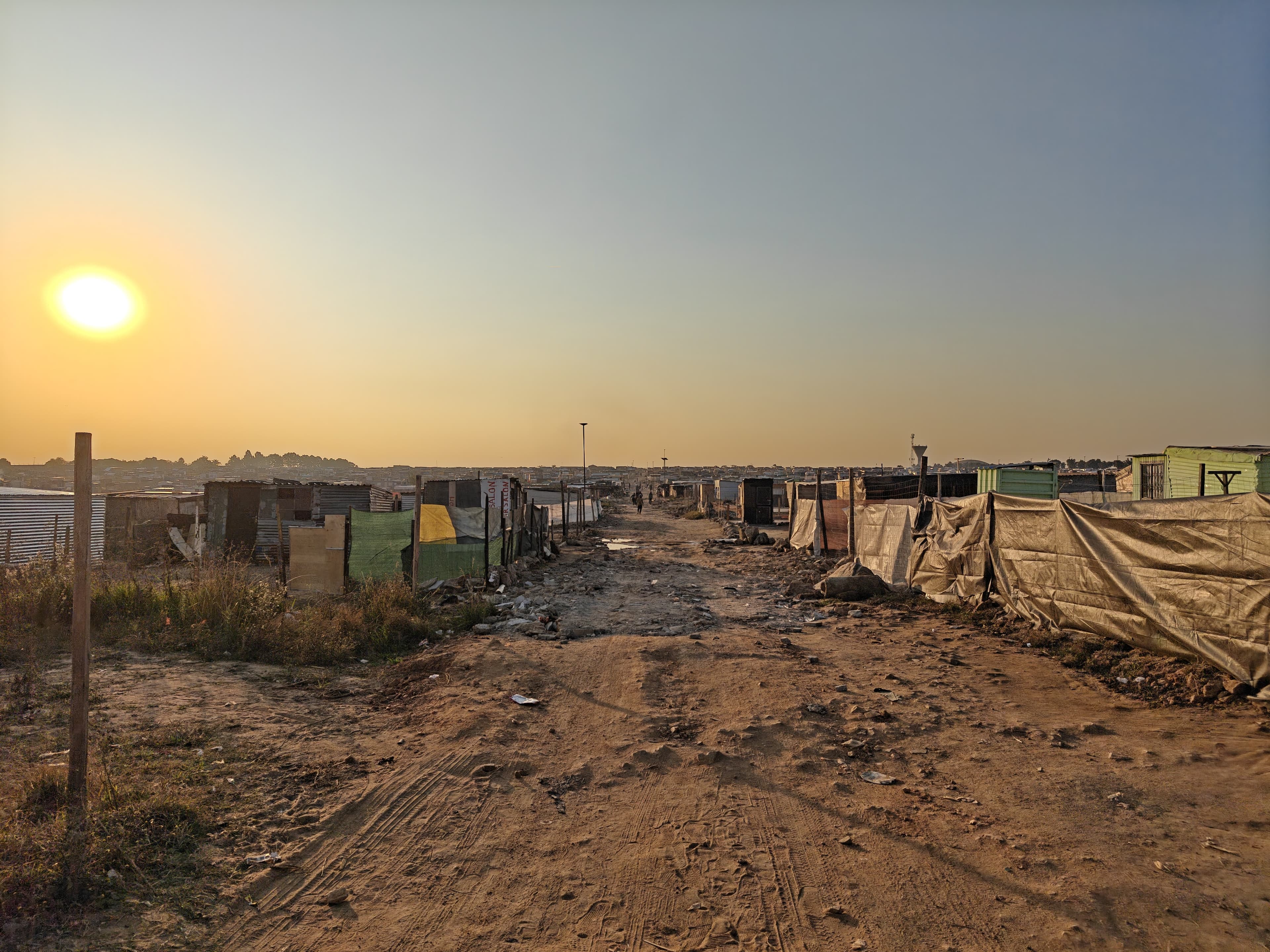
At Constitution Hill, we walked through the Women's Jail and the solitary confinement cells, confronting spaces that bear witness to the injuries produced by colonialism and apartheid, from incarceration and racial segregation to the systematic denial of dignity and political voice. We also visited the Constitutional Court and met with judges from the Gauteng High Court to discuss contemporary questions of rights, justice, and democratic governance. The trip concluded with a visit to Thembelihle, where we learned about the settlement's long history of struggle and reflected on the relationship between lived experience and constitutional promise.
What struck me was how these conversations repeatedly returned to questions of injury, not simply as an experience of harm, but as something that leaves traces across communities, places, and political life. The stories shared by artists, activists, and community organisers resonated strongly with themes that had already emerged through my own fieldwork: that injury can be physical, social, economic, and spatial, but that it can also become a catalyst for solidarity, organisation, and collective claims-making.
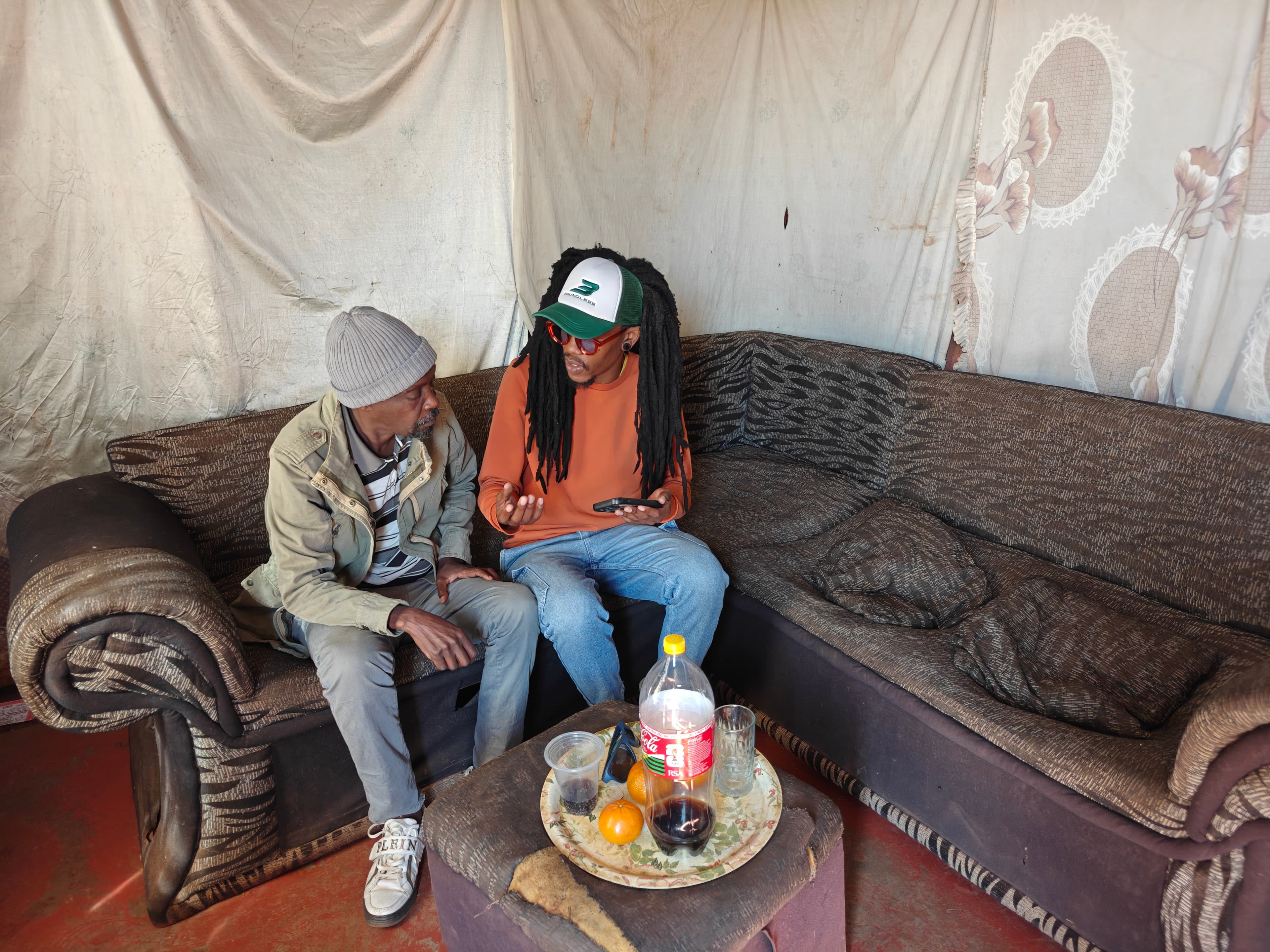
The visit culminated in Professor Jabri's public lecture at the University of the Witwatersrand, Injury: A Political Concept, which offered a powerful framework for thinking about how experiences of exclusion, dispossession, and vulnerability shape political life. Rather than treating injury solely as a matter of individual harm, the lecture explored how it can operate across bodies, communities, lived spaces, and political institutions, ranging from the immediate effects of violence to the slower injuries produced by displacement, inequality, and exclusion.
This resonated strongly with many of the conversations I have had while conducting fieldwork, where housing is rarely experienced simply as a policy issue or a legal entitlement, but as something secured through sustained collective effort and rooted in the everyday labour of building homes, sustaining communities, and claiming a place in the city. In this sense, injury is not only experienced through the body, but also through the places people inhabit and the material conditions of everyday life.